
Why Would Someone Want In-Home ABA Therapy?
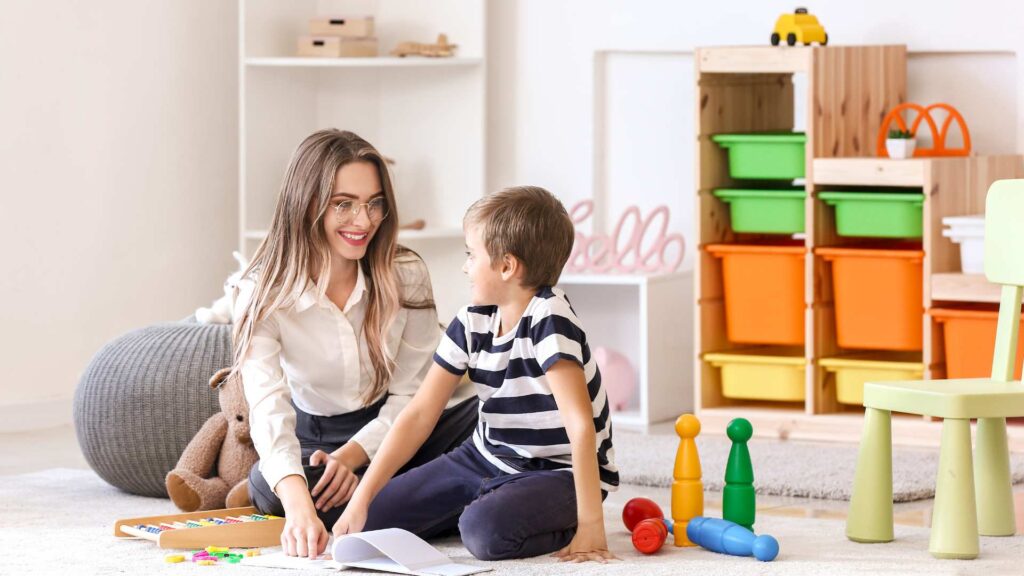
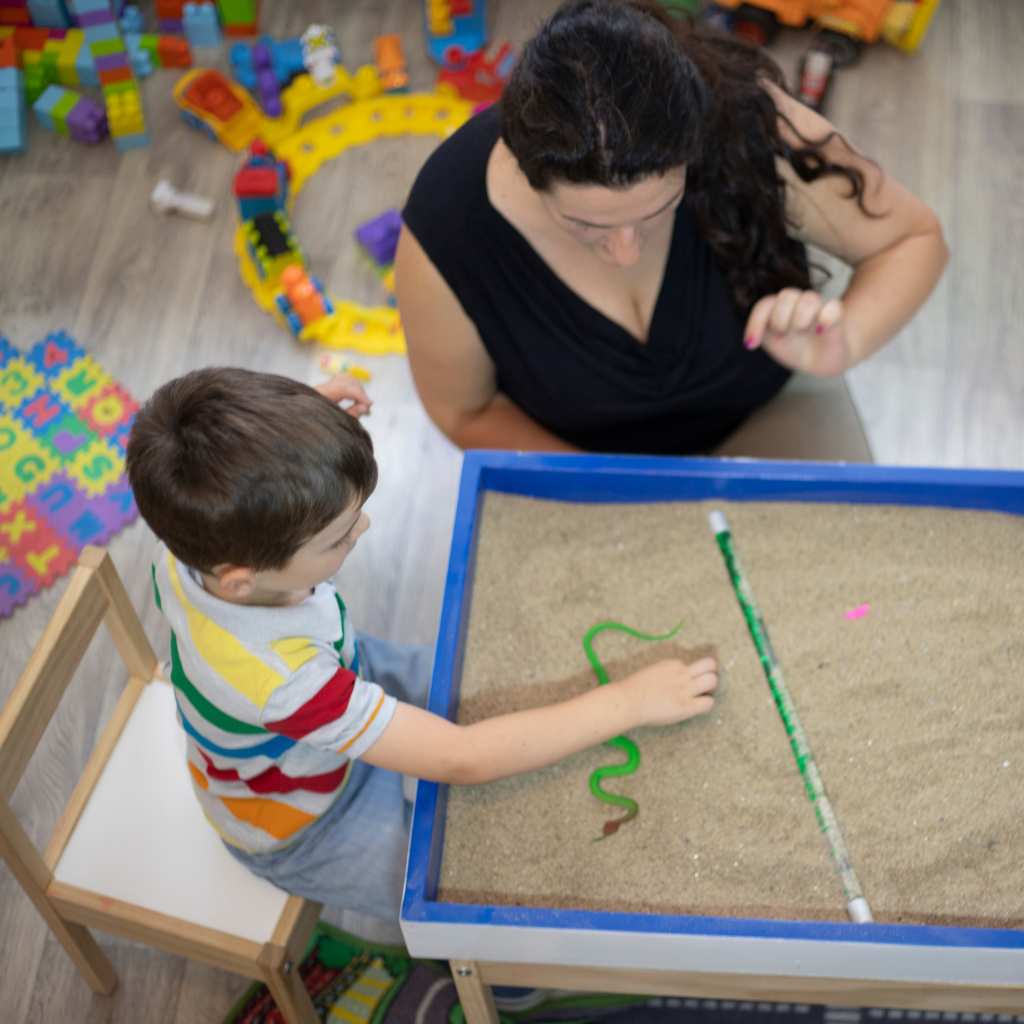
The decision to opt for in-home ABA therapy stems from its numerous benefits and overall convenience. Apart from providing a tailored and familiar environment for therapy sessions, this approach allows parents to get a closer glimpse into their child’s progression and how these skills come into play during everyday home life. The personalized nature of in-home therapy enables ABA therapists to address specific challenges and work closely with each child to promote positive behaviors within their daily routines.
Scheduling and time constraints are other reasons why in-home ABA therapy is more desirable for some families. Busy work schedules and other essential obligations can hinder a child’s ability to visit a clinic or designated facility reliably. These advantages of in-home ABA therapy mean a parent has more time to attend to personal matters while being close to their child. They can even get involved in the sessions if they please.
5 Significant Advantages of In-Home ABA Therapy
Let’s explore some of the critical advantages of in-home ABA therapy that go beyond this convenience:
Fostering Independence
The primary goal of ABA therapy, in-home or center-based, is to help children develop the necessary life skills to excel in their daily endeavors. Our focus is not on changing the children, but instead on understanding their unique traits, challenges, strengths, and weaknesses, and providing skill-based support so they can be the best versions of themselves.
One of the best ways to achieve this best version is by fostering independence. While ABA Centers of Ohio prioritizes this notion, no matter the setting, in-home ABA therapy works better to help children start with the basics – learning how to brush their teeth, clean themselves, and establish healthy self-care routines in their daily home life. Teaching these skills is significantly easier when they are in the comfort of their home. This way, children have the surroundings and means to incorporate these skills swiftly and without considerable setbacks.
A Social Setting Isn’t For Everyone
Part of ABA therapy is helping children socialize and conveniently interact with others, not just in our centers but in school and any other group settings they may find themselves in. In reality, not every child acclimates to a social environment similarly. Some children progress much faster when free of stressors and other components contributing to anxiety or fear. These children are still kids, after all.
One of the best advantages of in-home ABA therapy is that it limits the number of stressors that can hinder their progression. Children don’t need to worry about how others perceive them and can feel as comfortable as they should be in a home setting. Any setting that provides complete contentment will bring the most positive results. While this doesn’t mean we believe socialization skills aren’t essential to enhance the lives of children with autism, we understand that every child internalizes feelings differently. We want to ensure they feel happy, satisfied, and relaxed during each session.
Saving Time and Limiting Transitions
In-home ABA therapy eliminates stressful transitions to and from therapy sessions. Children don’t need to wear ‘going out’ clothes, sit in a car for lengthy periods, walk in and out of a potentially busy building, or risk jeopardizing situations. Instead, they receive full and undivided care without having to leave where they feel most comfortable. Not only does this save time for them, but it also saves time for the parents.
Easier Access to Positive Reinforcers
Children partaking in ABA therapy can bring toys and other desirable items to the centers, but not to a large extent. Since ABA therapy utilizes positive reinforcement to develop these skills, accessing a large pool of positive reinforcers – such as toys, games, food, books, and other objects – is essential when attempting to mediate unwanted behaviors.
Our Board Certified Behavior Technicians (BCBAs), Registered Behavior Technicians (RBTs), and other therapy specialists can use these items to spark motivation during sessions. A child may not want to play with a toy we provide in our clinics, yet if they have access to a toy they play with on their own time each day, they’ll be much more inclined to progress through sessions with a positive and healthy mindset.
Family Involvement
Parents certainly want to see their child’s progression through ABA therapy as it occurs, and this can become difficult when they only get to see them while dropping off or picking them up from a clinic. During an in-home ABA therapy session, parents, siblings, and other close companions can get in on the action and get a firsthand glimpse at what they do daily. They can also join in to promote even more comfort and familiarity or help technicians make the most of their time spent together.
This family involvement also fosters the socialization aspect that often lessens during in-home ABA therapy sessions. If a child needs to work on socialization, sharing, communication, and play skills, they can practice with those closest to them, which helps contextualize these ideas in a familiar setting. Often, children socialize with friends much differently than with family members. Developing these valuable skills at home bridges this potential divide so children can learn how to behave and socialize similarly in varying environments.
How Do I Know if In-Home ABA Therapy is Right for My Child?
Since no two ABA therapy cases are the same, finding out if your child works better at home or in a clinic may take some trial and error. Parents may benefit from trying both types to see which setting fits their child’s social behaviors more appropriately. Here are some essential things to ask yourself:
- Is your child happy when they return home from a clinic?
- Do they feel as if they’re making friends in a social setting?
- Are challenging behaviors getting better or worse when in a group setting?
- Is your child excited about their sessions?
- Does your child complain or grow emotional when you leave them for the day?
More often than not, the best way to answer these questions is by asking your child directly. While they may not feel comfortable relaying this information to you, being open and honest with them can help make your decision.