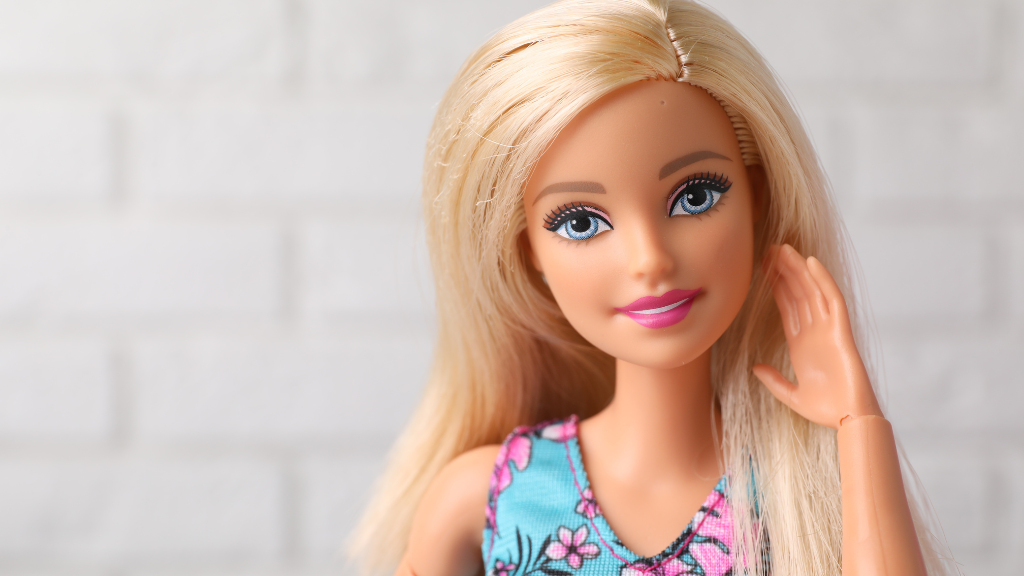
For non-autistic children, toys like the autistic Barbie can encourage understanding, acceptance, and inclusive play with peers who experience the world differently.
Research emphasizes that early exposure to diversity helps build empathy and reduces stigma over time.
Are Inclusive Toys for Children With Autism Actually Helpful?
Inclusive toys are not therapy tools on their own, but they create opportunities for learning that feel natural and engaging.
Toys that tend to support autistic development include:
- Dolls and figurines that encourage pretend play.
- Toys that reflect daily routines and emotions
- Sensory-conscious toys that promote comfort and regulation
What matters most is how the toy is used. When play is child-led and pressure-free, it becomes a safe space for exploration, communication, and creativity.
How Does Play Support Learning for Children with Autism?
Play is one of the primary ways children make sense of the world. For children on the autism spectrum, play can also be a bridge to skill-building when it respects their interests and sensory needs.
Through play, children may practice:
- Expressing wants and needs
- Navigating social situations
- Exploring emotions
- Building independence
The autistic Barbie, for example, can be used in storytelling scenarios that mirror real-life experiences, like wearing headphones in loud environments or taking breaks when overwhelmed.
What Is Play-Based ABA Therapy, and How Does It Work?
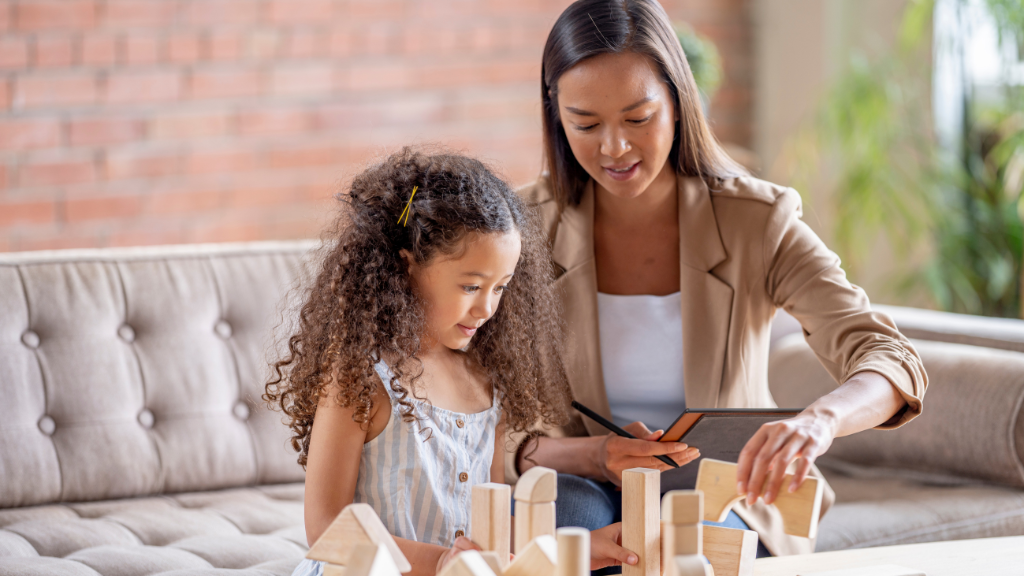
Play-based ABA therapy uses a child’s interests to teach meaningful skills in an enjoyable way. Instead of rigid drills, therapists embed learning into existing play routines.
In a play-based ABA session, a therapist might:
- Use dolls or toys to model social interactions.
- Encourage communication through pretend scenarios.
- Support emotional regulation during play challenges.
- Reinforce independence within everyday activities.
This approach helps skills transfer more easily from therapy sessions to real-life situations at home, school, and in the community.
Can Toys Like the Autistic Barbie Be Used in ABA Therapy?
Yes, when used thoughtfully. Therapists often select toys that align with a child’s interests, and inclusive toys can be especially valuable.
A doll like the autistic Barbie may be incorporated to:
- Practice turn-taking and shared play
- Model coping strategies in relatable scenarios
- Encourage language through storytelling.
- Normalize accommodations such as sensory tools.
Because the play feels authentic, children are often more engaged and receptive.
Is One Doll Enough to Represent the Autism Spectrum?
No single toy can represent the full diversity of autism, and it shouldn’t be expected to. Autism is a spectrum, with each individual having unique strengths, challenges, and preferences.
However, the autistic Barbie serves as a meaningful starting point. It opens conversations, increases visibility, and reinforces the idea that individuals with autism belong in everyday spaces.
Representation does not need to be perfect to be impactful; it needs to be respectful and inclusive.
How Can Parents Use Inclusive Toys for Children with Autism at Home?
Parents can support learning through play by focusing less on “doing it right” and more on connection.