
Autism Cure: Why the Idea of “Curing” Autism Is Misleading

A doctor, a child, and an adult looking at a page together during a visit discussing why autism cure is a misconception

Table of Contents

What are the facts about the autism cure?

Families searching for answers after an autism diagnosis often encounter the phrase autism cure, especially online. It appears in headlines, misleading “miracle” programs, on social media posts from unreliable influencers, outdated conversations, and well-intentioned but misinformed advice from loved ones.

The idea of an autism cure can feel hopeful at first glance, especially for parents who want to ease their child’s challenges. But the notion that autism needs a cure or that a cure even exists leads people down a harmful path filled with stigma, confusion, and unrealistic expectations.

Autism is not a disease. It is a neurodevelopmental condition with specific patterns of communication, behavior, learning, and sensory processing. When we frame autism as something that must be “fixed” or “removed,” we overlook the inherent strengths, differences, and humanity of autistic individuals. We also ignore decades of scientific evidence showing that autism has neurological origins and that no single intervention or medical procedure can reverse these origins.

Instead of looking for an autism cure, families benefit far more from focusing on understanding, support, skill-building, and acceptance. Children with autism need tools, accommodations, and treatments grounded in science, not promises of a cure that undermines their identity and potential.

In this blog by ABA Centers of Ohio, we explore why the autism cure myth persists, what research actually tells us about autism, how acceptance and evidence-based care create real progress, and how ABA Centers of Ohio supports children and adolescents through diagnosis, early intervention, and personalized ABA therapy.

Why the Idea of an Autism Cure Became So Popular

For decades, public understanding of autism lagged far behind scientific knowledge. Before diagnostic criteria expanded, autism was misunderstood, misrepresented in the media, and frequently associated with bad parenting, especially by mothers. Early descriptions framed autism in negative terms, which led many families to believe that the only way to help their child was to “eliminate” the condition.

Even today, misinformation spreads quickly online. Some sources promote unproven or dangerous methods claiming to provide an autism cure. Others use the term casually without understanding its implications. This misinformation creates a confusing environment for families who want guidance and hope but end up encountering misleading content.

Marketing plays a role as well. A promise of a cure sounds compelling, but it distracts from what children truly need: personalized support, patience, evidence-based therapy, and community acceptance.

The more we talk openly about why a cure is not the goal, the easier it becomes for families to reframe their expectations and build realistic, compassionate plans for growth.
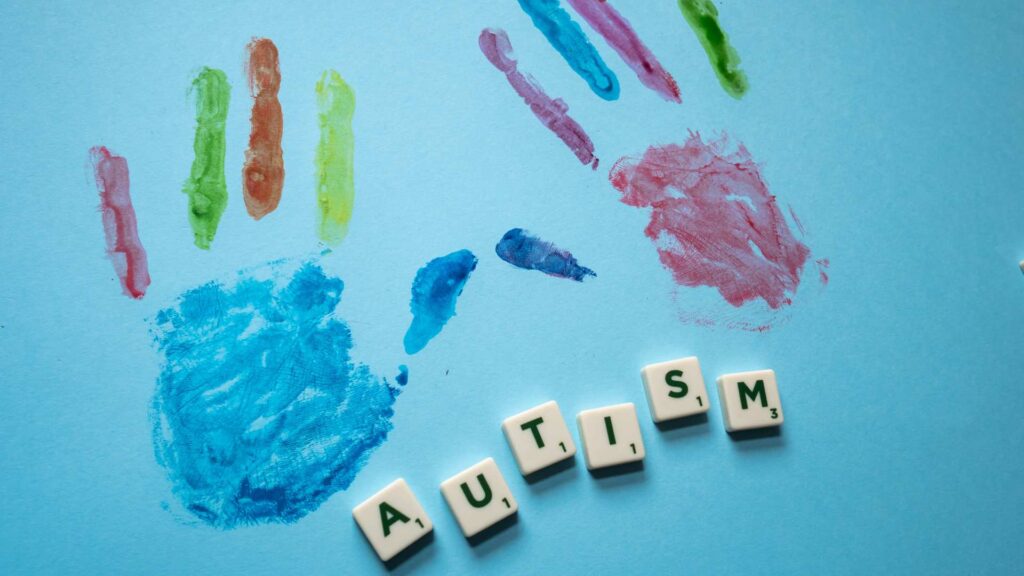
Colorful painted handprints on a light blue background with small letter blocks spelling autism

What Science Actually Says About Autism

Understanding why an autism cure is a misconception begins with understanding autism itself. Decades of research show that autism:

  • Has neurological origins
  • Appears early in brain development
  • Involves differences in connectivity and sensory processing
  • Has both genetic and environmental components
  • Does not result from parenting style, vaccines, or a single external factor

Autism is not an illness that enters the body. It is not something “caught” or “contracted.” It is part of a person’s neurology, shaping how they communicate, learn, feel, and experience the world.

The Misconception of an Autism Cure

In conversations about the autism cure, many people assume there must be a simple explanation for autism or a single cause. However, ASD emerges from complex differences in how the brain develops, organizes information, processes sensory input, and forms connections. These differences begin early, often before birth, and shape how a child communicates, plays, learns, and interprets the world.

Neurological studies, including Trends in Cognitive Sciences, show that autistic brains develop and connect information uniquely. Certain regions communicate more intensely, while others may communicate less. These variations influence social engagement, flexibility, language development, and sensory responses. But they do not reflect damage, deficiency, or disease. They reflect diversity in human neurobiology.

Twin studies, genetic research, and developmental neuroscience point to autism as a lifelong neurological condition that arises from multiple biological factors working together. This understanding proves that an autism cure is scientifically impossible, because autism does not suddenly appear, and no one can remove it. It is part of a person’s neurodevelopment from the start.

Understanding the Causes of Autism
Families often ask where autism comes from and whether anything could have prevented it. Current research answers many of these questions with clarity. Autism does not come from vaccines, parenting style, diet, screens, or emotional trauma. These claims come from misinformation and have been disproven repeatedly.

Instead, science links autism to a combination of genetic and prenatal factors, but not in a way that points to one single cause.

Clinician during a autism evaluation

Genetics

Researchers have identified over 800 genes associated with autism. Some influence how neurons grow and connect. Others affect sensory processing or communication pathways. A child may inherit these genes or develop spontaneous genetic variations during early development.

Genetics does not determine everything, though. Having an associated gene increases the likelihood, but it does not guarantee autism.

Prenatal Influences

Researchers also study biological factors during pregnancy that may contribute to autism, such as:

  • Maternal health conditions
  • Certain infections
  • Differences in immune response
  • Complications during pregnancy

These factors do not “cause” autism on their own. Instead, they may interact with a child’s genetic makeup to influence neurodevelopment.

Brain Development

Brain imaging studies show that autistic brains develop differently in areas related to communication, social understanding, movement, and sensory processing. These patterns appear early in life and remain stable throughout development.

No Single Cause, No Cure

Researchers consistently agree on something that matters immensely:
Autism has multiple causes, none of which produce a condition that someone or something can reverse or cure.

If Autism Cannot Be Cured, What Should Families Focus On?

Instead of seeking an autism cure, families benefit most from understanding autism as a lifelong neurodivergent condition that can improve significantly with proper support. The focus shifts from “eliminating symptoms” to nurturing strengths, building essential skills, and creating environments where autistic children can succeed.

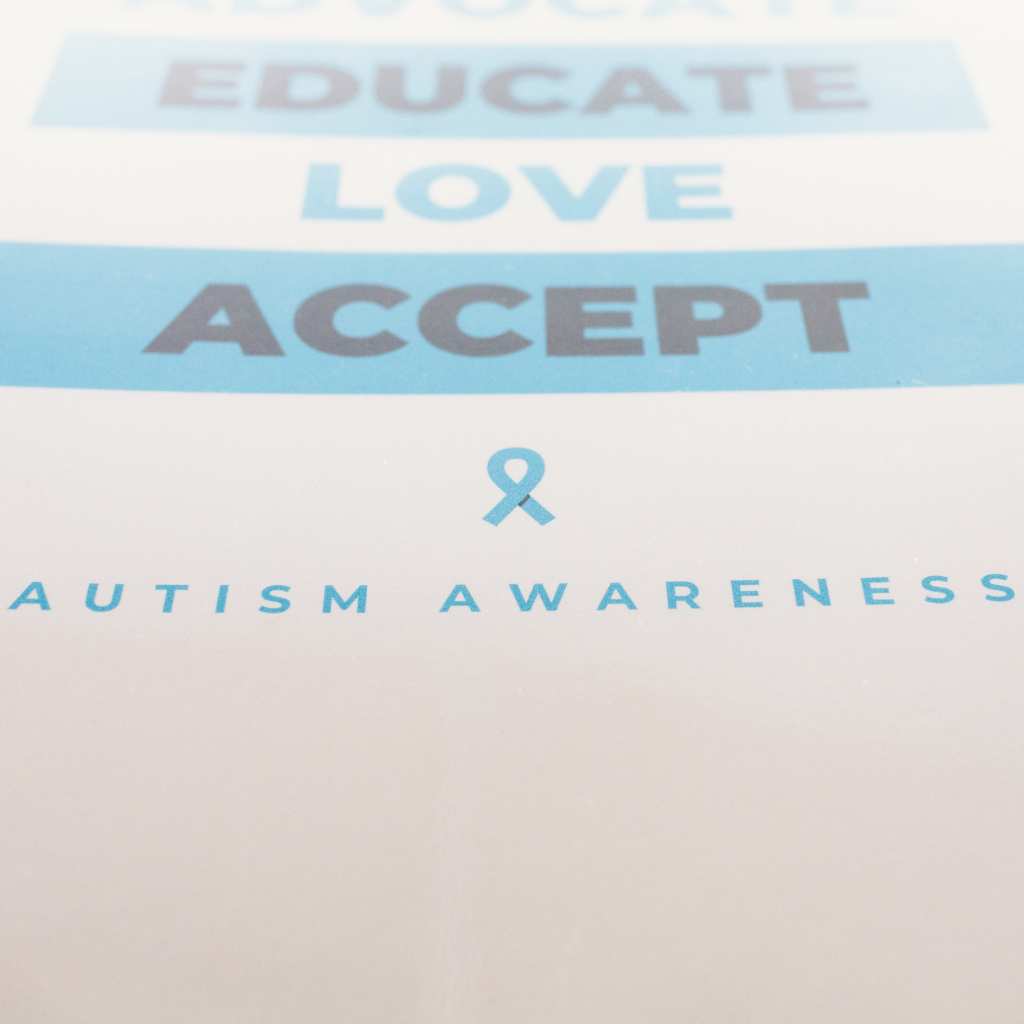
Autism awareness ribbon with supportive words above it

Some of the most meaningful areas of focus include:

Skill Development

Children with autism learn best when interventions match their learning style. ABA therapy, speech therapy, and occupational therapy help them improve communication, independence, emotional regulation, and daily living skills.

Sensory Accommodations

Adjusting environments to meet sensory needs—lowering noise, offering tools for regulation, or providing structure—reduces stress and supports participation.

Communication Support

Whether a child speaks verbally or uses AAC, communication tools empower them to express wants, needs, and feelings more clearly.

Emotional and Social Understanding

Autistic children benefit from support that teaches social cues, emotional awareness, and coping strategies without forcing them to mask or hide who they are.

Family Education

Parents and caregivers thrive when they understand autism, know how to manage challenging moments, and feel confident supporting their child’s growth.

When these elements work together, children gain the skills and confidence they need for long-term independence.

The Role of ABA Therapy in Supporting Individuals with Autism

Modern ABA emphasizes respect, autonomy, personalized care, and meaningful goals. ABA is not a cure. It is a tool that helps autistic individuals navigate the world more comfortably and independently.

ABA therapy supports children by:

  • Teaching communication skills
  • Reducing behaviors that cause frustration or interfere with learning
  • Strengthening daily living abilities
  • Supporting sensory and emotional regulation
  • Building social understanding at the child’s pace
  • Increasing independence in school, home, and community settings
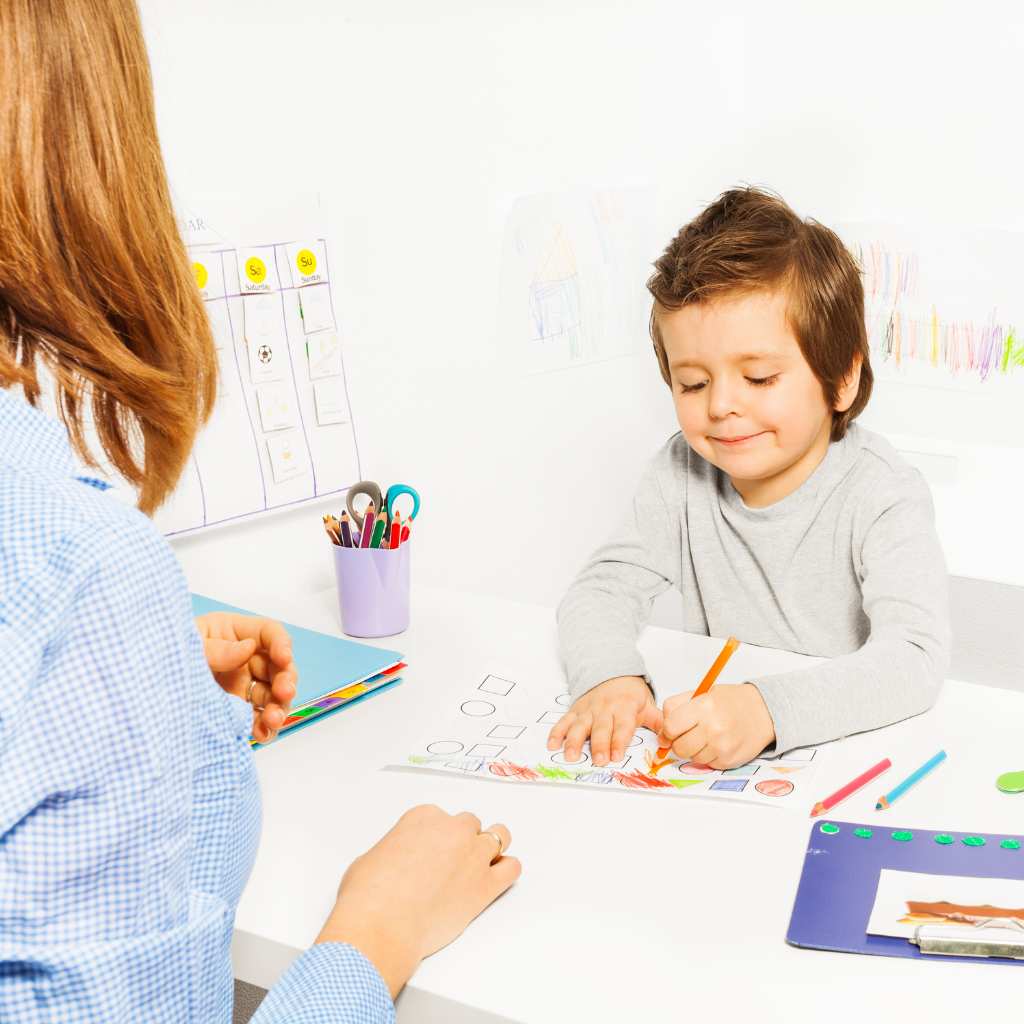
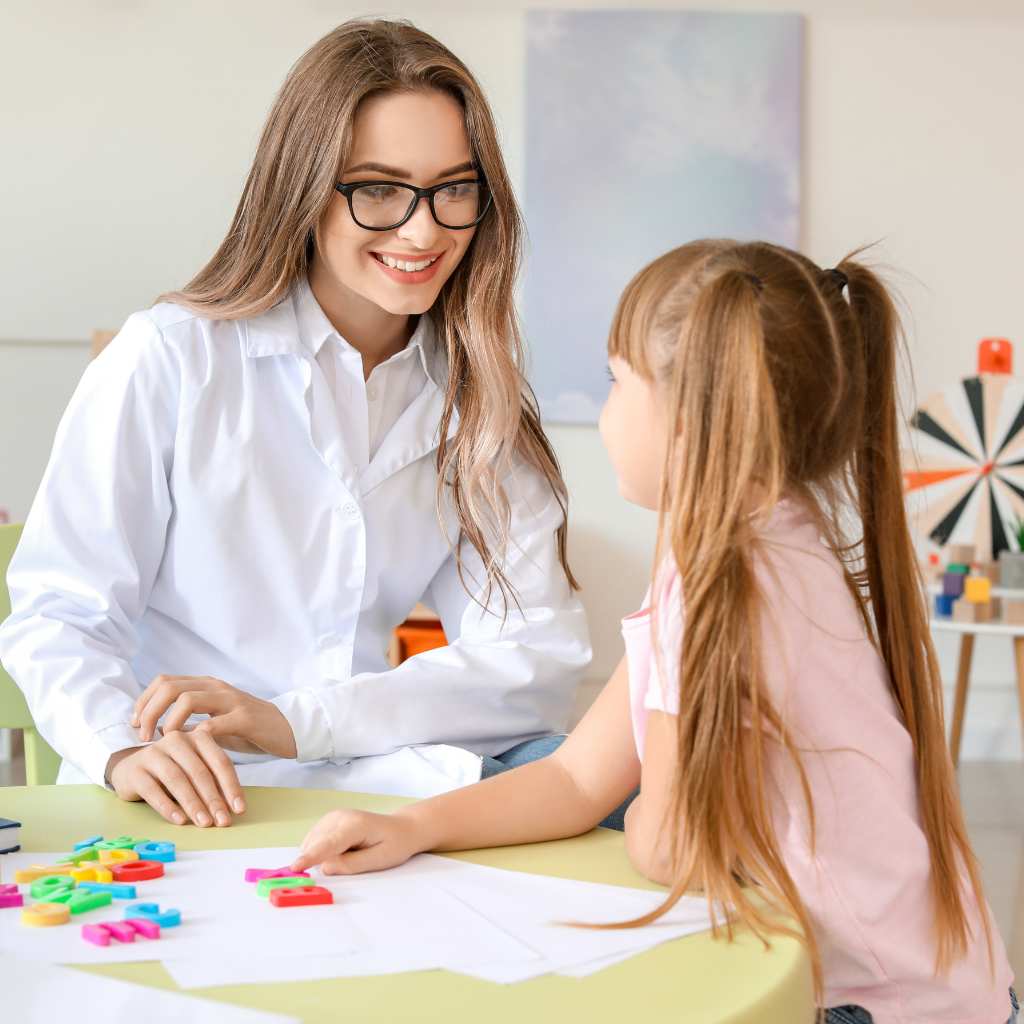
ABA therapist working with a child with autism level 1

ABA focuses on practical, functional improvements that matter in daily life. It helps children grow, not by changing who they are, but by expanding what they can do.

How ABA Centers of Ohio Supports Families Beyond the Cure Myth

At ABA Centers of Ohio, we understand how overwhelming misinformation can feel for families. That is why our approach emphasizes education, science, and compassion. We support families from diagnosis to treatment, offering services grounded in evidence, not promises of an autism cure.

We believe that children thrive when their needs are understood, their differences are respected, and their environment supports growth. Families across Ohio deserve clear guidance, ethical care, and trustworthy support, and we are committed to offering exactly that.

Autism is not something to cure. It is something to understand, embrace, and support with the right tools and the right team. If you need more information on autism diagnosis or ABA services, contact us online or call us at (740) 747-6444.


Discover how our autism treatment services can help you.

Get Social With Us

Related Posts

Scroll to Top