Child ABA Therapy
At ABA Centers of Ohio, we specialize in effective therapy for children with Autism Spectrum Disorder (ASD) aged 2 to 12 years old, regardless of the severity of their symptoms. We have tailored our approach to meet each child at their unique level and to achieve developmental outcomes with play-based therapy.

We acknowledge that every neurodivergent child possesses exceptional talents and faces unique struggles. That is why we reject the one-size-fits-all approach to therapy and personalize every intervention according to a child’s needs and strengths. We implement minimally intrusive programs that encourage self-discovery and untapped autonomy.
Our Board Certified Behavior Analysts (BCBAs) design ABA programs utilizing critical data to comprehend a child’s experience and optimize treatment outcomes. In many cases, ABA treatment ranges between 20 and 40 hours a week for up to three years.
We assign Registered Behavior Technicians (RBTs) to complete your child’s treatment program across ABA sessions. All ABA professionals receive licensure through the Behavior Analyst Certification Board.
ABA therapy is a full-day program for toddlers and pre-K children to prepare them for school and achieve developmental milestones. Our goal is to meet the needs of every family to ensure that every neurodivergent child has support.
The ABA Journey
Each ABA therapy program starts with an evaluation conducted by a BCBA. During this assessment, your provider will begin analyzing patterns and considering long-term objectives. After spending time with your family to comprehend their challenges and dynamics, the BCBA will craft an ABA treatment plan to address your child’s specific needs and enhance their quality of life.
Throughout ABA sessions, RBTs team with clients and their families to facilitate the development of crucial skills, consistently monitoring progress through ongoing assessments. Based on behavioral measurements, goals are adjusted to align with the client’s developmental stages.
Obtaining an official autism spectrum diagnosis is a prerequisite for accessing ABA therapy services. If you need to obtain a diagnosis, talk to us about our diagnostic services.

Child ABA Therapy Options Include:
Autism Testing and Diagnosis Services
In-Home ABA Therapy
Parent Training
Community Integration Skills
Coping Skills
Children with autism face challenges, but ABA therapy teaches skills for emotional regulation, including human behavior, impulse control, and decision-making.
Daily Living Skills
ABA therapy teaches children crucial life skills such as using the toilet, brushing their teeth, bathing, washing their face, and dressing themselves. Our therapists will carefully guide your child through each step to help establish healthy routines for their daily activities.
Gross & Fine Motor Skills
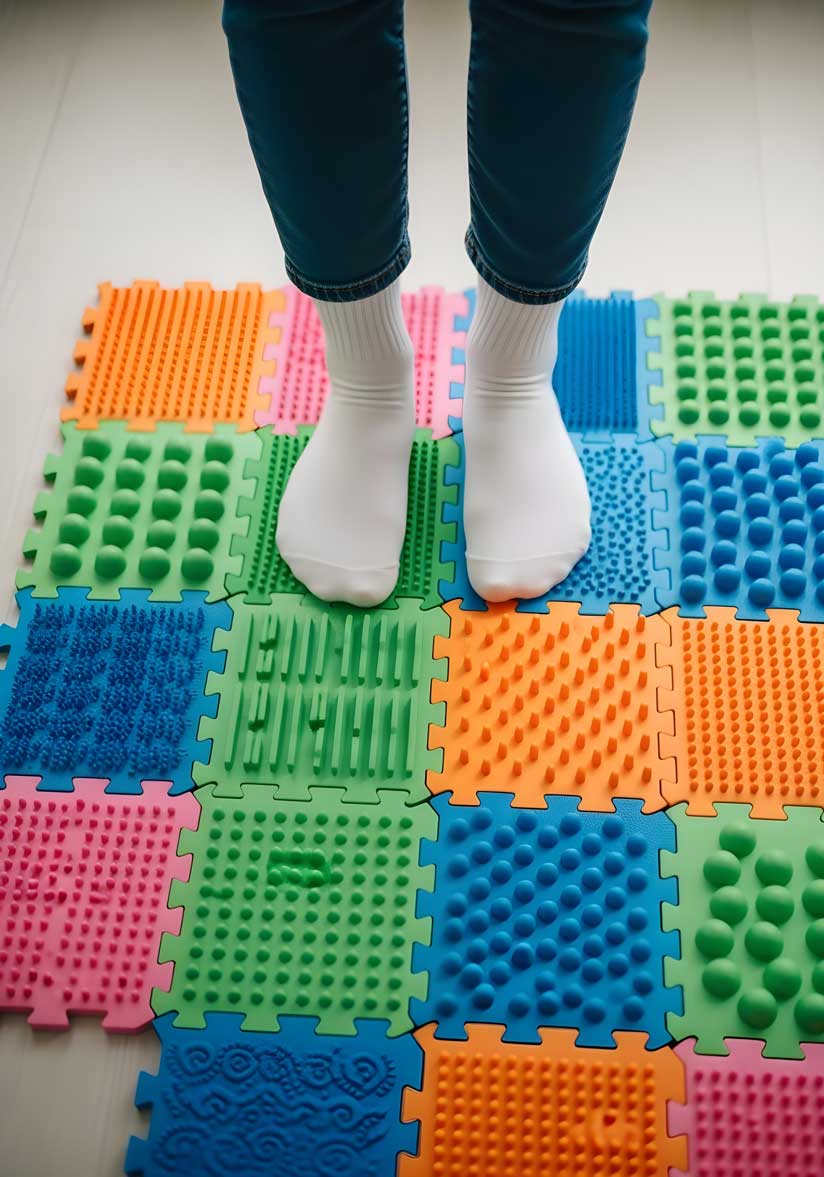
Children with autism may have difficulties with muscle development and coordination. ABA therapy offers activities to improve motor skills, such as:
- Playing with putty, clay, or slime
- Watering plants with a squeeze bottle
- Opening snacks or plastic containers and closing them
- Playing with Lego blocks
- Depositing coins into piggy banks
- Playing with marbles
- Cutting shapes with scissors
Reading/Writing
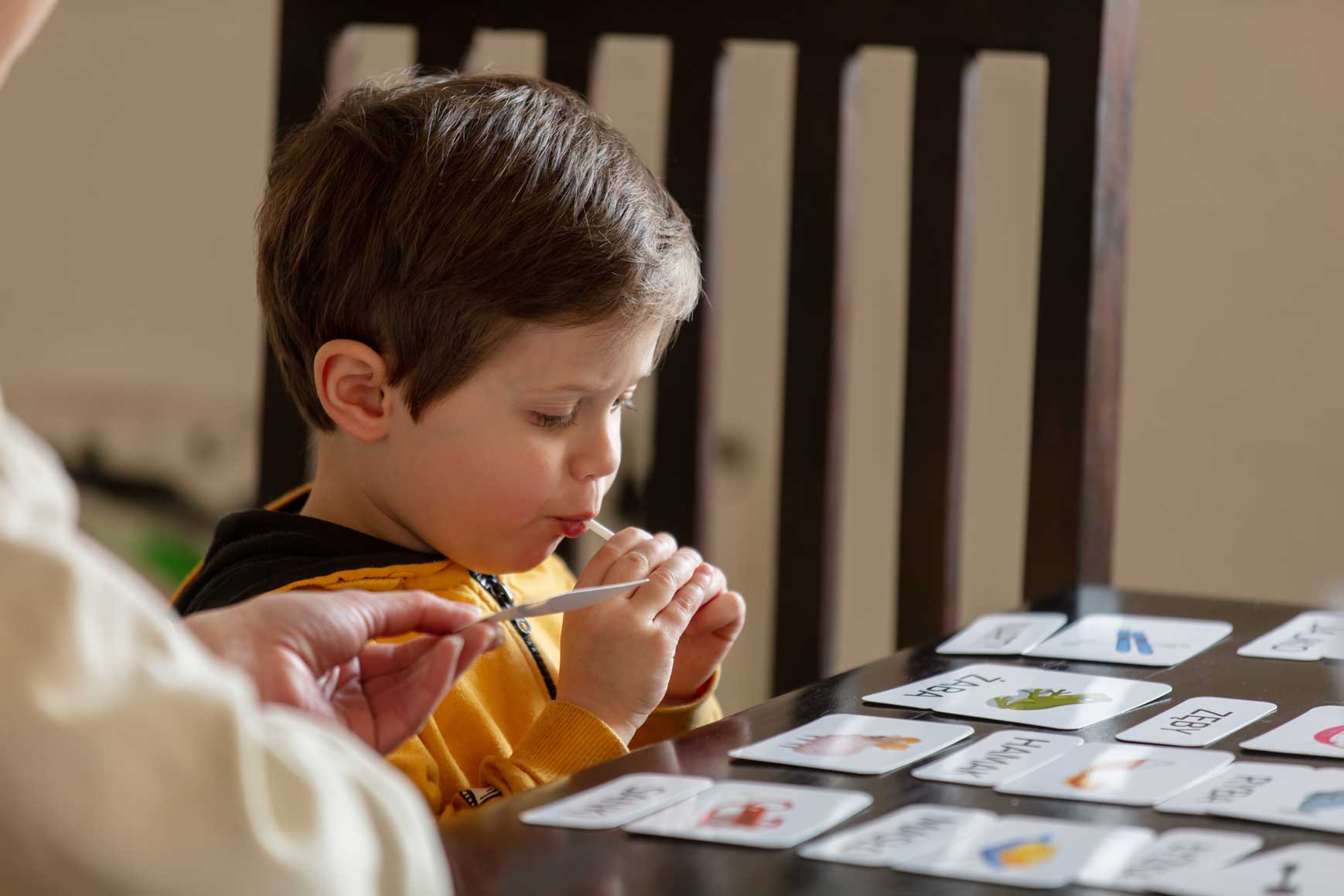
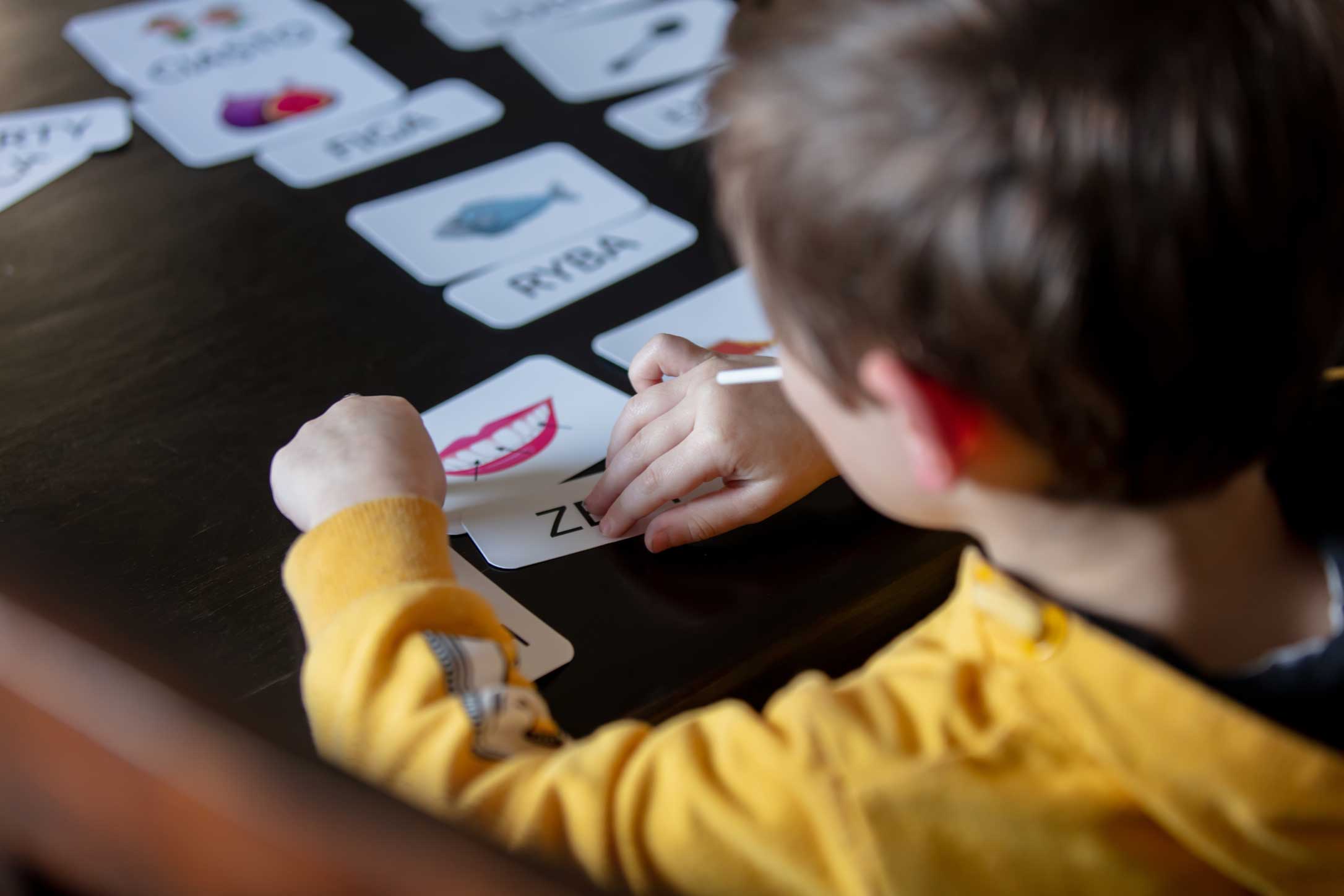
ABA Therapy can improve academic performance by promoting reading and writing skills through different activities, including:
- Scribbling or doing color exercises on paper
- Tracing exercises to improve coordination
- Writing letters and numbers
These activities improve fine motor skills and foster the development of handwriting proficiency.

Social Skills
Our program aims to help your child develop vital communication skills, such as:
- Engaging in social pretend play by feeding animal toys or preparing a meal
- Sharing toys while playing and taking turns
- Expressing personal choices, reactions, and interests through communication
Visual/Perception Skills
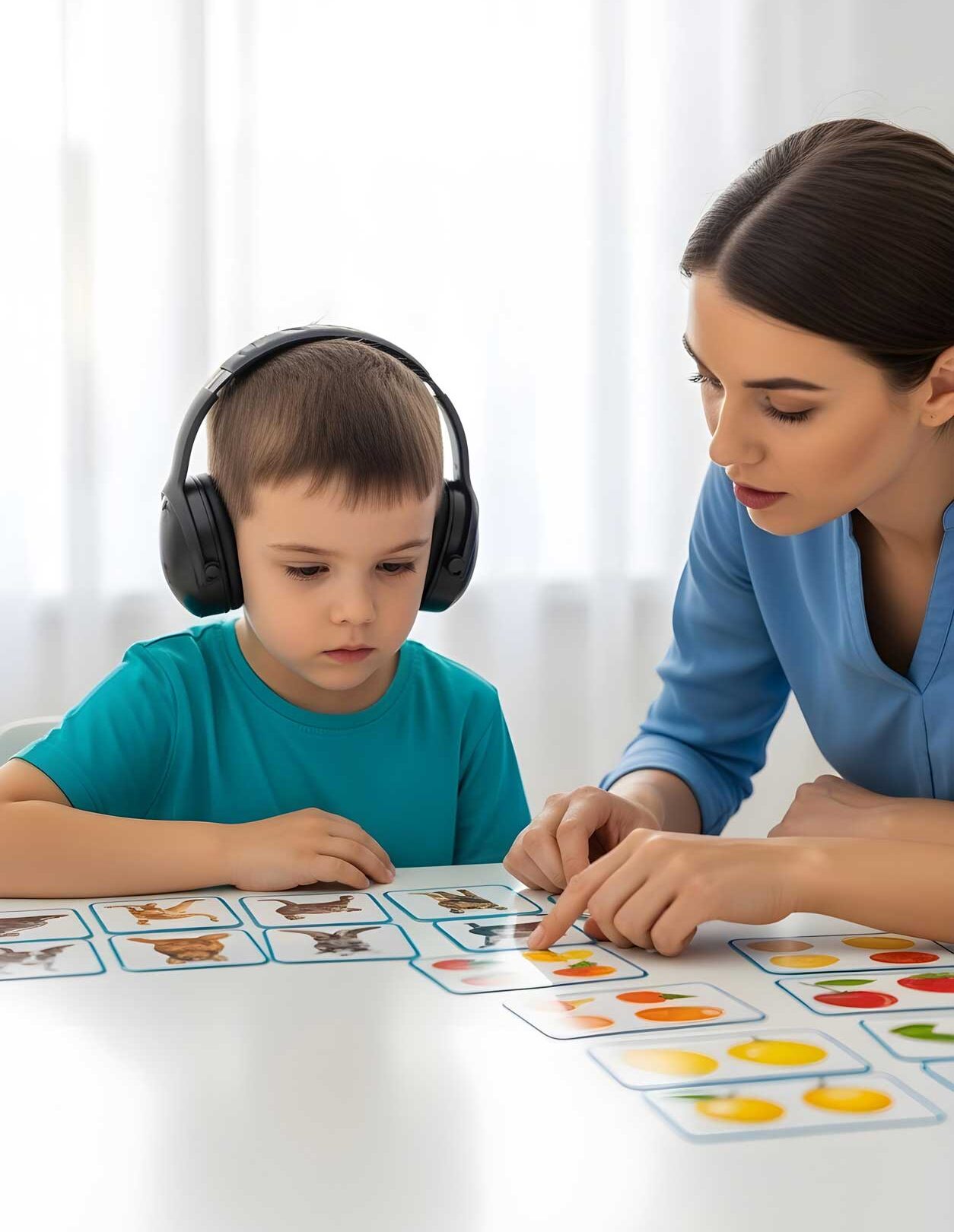
Visual and perception skills foster intelligence and development. We incorporate activities such as:
- Playing with puzzles
- Matching identical objects from a selection
- Playing memory games to enhance retention of visual information
- Playing games like “Where’s Waldo?” that focus on finding hidden objects in busy pictures
- Recognizing object similarities regardless of their sizes and colors, and making comparisons

Positive Reinforcement in Child ABA Therapy
Positive reinforcement is an essential aspect of ABA therapy. When a child exhibits healthy behavior and receives a reward, they are encouraged to repeat it, which helps to establish new patterns and stimulate positive change over time.
In ABA sessions, the therapist sets a goal behavior; every time the child succeeds in achieving it, they receive a personally meaningful reward. Examples of such rewards could be:
- Praise
- A book or toy
- Watching a video or playing a video game
- Access to the park, playground, or favorite food
With practice, the child will learn to replace inappropriate behavior with valuable skills that will benefit them throughout life.